
How Maintaining Your Appliances Can Simplify Your Roswell Home
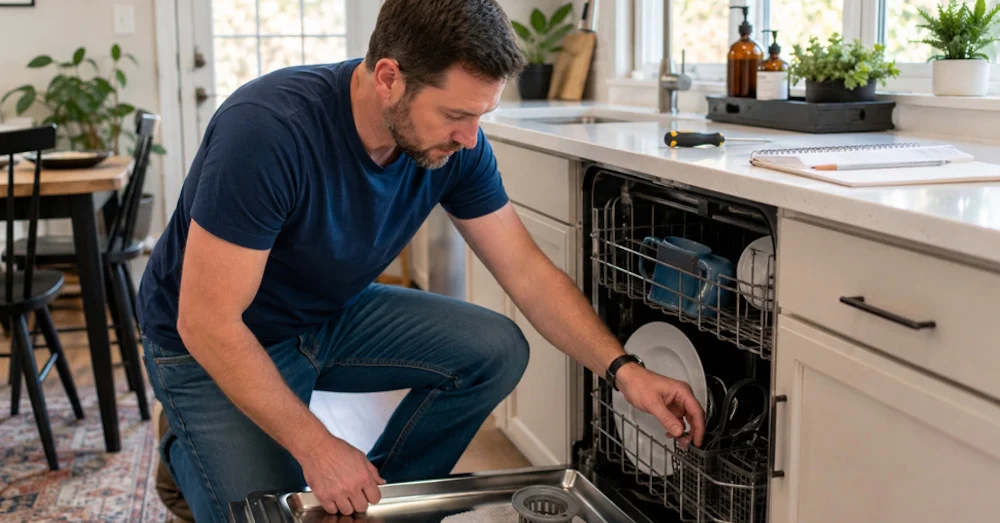
A few years ago, my dishwasher started making a grinding noise halfway through every cycle. My first instinct was to replace it.
Within twenty minutes, I already had three browser tabs open, comparing stainless steel models and reading delivery estimates. I convinced myself that buying a new one was the responsible choice, even though the dishwasher still worked.
The more I thought about it, the less sense it made.
I was trying to simplify my home and spend less on unnecessary upgrades, yet I was about to start a brand-new project for myself, involving shopping, scheduling deliveries, installation, and hauling away the old unit.
Instead, I called for appliance repair in Roswell, GA.
The technician diagnosed the issue in less than fifteen minutes. A worn pump seal was causing the noise, and the repair cost far less than replacing the entire machine. The dishwasher kept running for another four years without major problems.
That experience completely changed how I approached homeownership. I realized many of the small frustrations in my home were not caused by old appliances. They came from constantly replacing things before I actually needed to.
Since then, I’ve adopted a repair-first approach that has saved money, reduced household stress, and made my home feel much easier to manage.
Key Takeaways
The Hidden Cost of Replacing Appliances Too Quickly
When an appliance starts acting up, replacement feels convenient.
What most homeowners underestimate is everything that comes after the purchase.
Replacing a major appliance usually means researching models, comparing reviews, coordinating delivery windows, rearranging schedules, and arranging disposal of the old unit. Even after installation, there’s still a learning curve with new settings, features, and maintenance requirements.
For homeowners trying to reduce unnecessary household expenses, small maintenance decisions often support broader long-term savings goals, especially when combined with practical home tips to save for your home strategies.
I used to treat those inconveniences as normal parts of homeownership.
Now I see them differently.
Most of the time, the original appliance still had years of usable life left.
For appliances under ten years old, repairs are often dramatically cheaper than replacement. In many cases, the problem turns out to be minor: a worn seal, a clogged drain line, a faulty thermostat, or a loose connection.
The biggest surprise for me was realizing how much mental clutter came from constantly replacing things.
Every new appliance added another warranty to track, another manual to store, and another system to learn. Once I started maintaining the appliances I already owned, my home felt noticeably calmer.
What A Repair-First Approach Actually Looks Like?
A repair-first approach does not mean holding onto failing appliances forever.
It simply means slowing down before automatically shopping for something new.
Instead of asking:
“What should I replace this with?”
I started asking:
“Is this still worth repairing?”
More often than not, the answer was yes.
In my experience, repair usually makes sense for:
This approach also helps catch problems earlier.
A dryer taking slightly longer to dry clothes or a refrigerator making an unusual humming sound may not seem urgent. Ignoring those warning signs for months often turns small repairs into major failures.
I learned that the hard way with a washing machine that started vibrating during spin cycles. I ignored it for nearly a year before finally having it inspected. What could have been a simple leveling adjustment eventually became a much more expensive bearing repair.
Now I pay attention sooner.
How Appliance Maintenance Supports A Simpler Home?
Most people associate minimalism with owning fewer things.
What I’ve learned is that simplicity also comes from maintaining the things you already own.
Homes feel less stressful when appliances work reliably and don’t constantly demand attention. There are fewer interruptions, fewer emergency purchases, and fewer unfinished household projects sitting in the garage.
After repairing my dishwasher instead of replacing it, I noticed something unexpected.
The relief had less to do with saving money and more to do with avoiding disruption.
I didn’t have to spend an entire weekend shopping for replacements or coordinating installers. I solved the problem and moved on with my life.
That shift changed how I viewed maintenance altogether.
Now I see preventative care as a way to protect my time and attention, not just my appliances.
Why Appliance Maintenance Matters More In Roswell?
Living in Roswell means dealing with long stretches of humidity for much of the year, and that climate affects appliances more than many homeowners realize.
Dryers are one of the biggest examples.
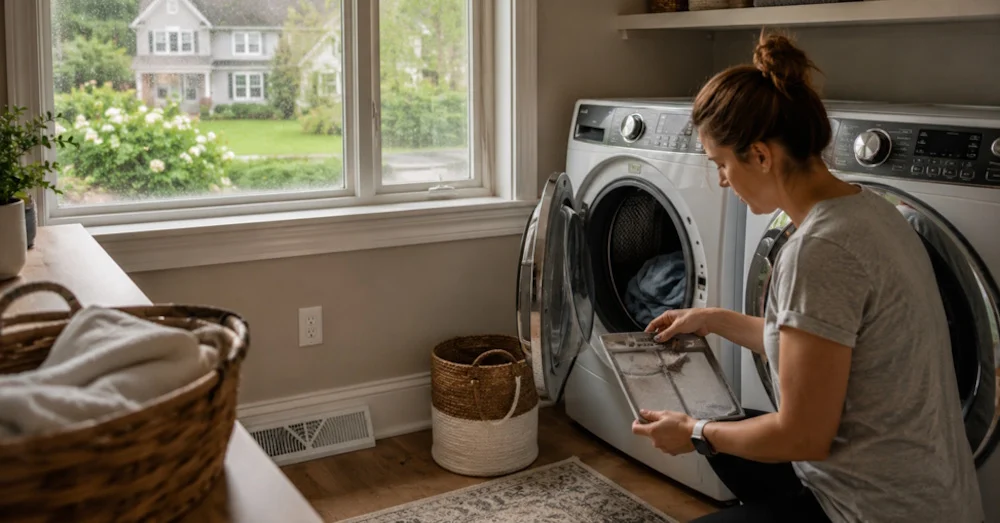
Humid air combined with lint buildup can force dryers to work harder and less efficiently. After moving to Georgia, I noticed I had to clean vents more frequently than I did in drier climates.
Laundry rooms, garages, and poorly ventilated spaces also tend to develop moisture-related wear faster.
HVAC systems face similar challenges. During Georgia summers, air conditioning systems can run constantly for months. Without regular servicing, that workload eventually catches up with the system.
I’ve also noticed that many older Roswell neighborhoods still reflect a more practical approach to homeownership. In areas near the Roswell Mill district and older residential streets off Mimosa Boulevard, homeowners often keep appliances for years rather than replacing them with each renovation.
That long-term mindset makes sense financially and practically.
A well-maintained home usually feels more stable and manageable over time.
The Maintenance Routine That Helped Me Avoid Bigger Repairs
One reason many homeowners avoid maintenance is that it sounds time-consuming.
In reality, most preventative maintenance takes only a few minutes.
Here’s the simple routine I follow now.
Monthly
Every Three Months
Annually
None of these tasks is difficult, but consistently doing them has noticeably reduced breakdowns in my home.
When Replacing an Appliance Actually Makes Sense
Repairing appliances is not always the right decision.
Sometimes replacement genuinely makes more financial sense.
In my experience, replacement becomes the better option when:
The key difference now is that I make those decisions deliberately rather than reacting emotionally to the first sign of trouble.
A good repair technician can usually tell you very quickly whether an appliance is worth saving.
The honest ones will also tell you when it’s time to move on.
What Changed For Me?
The biggest shift was realizing that newer does not automatically mean better.
I used to see appliance problems as interruptions that needed immediate replacement. Now I see them as signals that something needs attention before it becomes more serious.
I’ve also learned that homes feel calmer when fewer things are constantly cycling in and out.
Maintaining appliances may not sound exciting, but it creates a surprising amount of stability in daily life.
And honestly, asking for help earlier has probably saved me the most money.
Small issues almost always cost less to fix than major breakdowns.
FAQ’s
Q. How do I know if an appliance is worth repairing?
A. A common guideline is the 50% rule. If repair costs are less than half the price of replacement, repairing is often the better financial choice. Appliance age also matters.
Q. What appliances struggle most in Georgia’s humid climate?
A. Dryers, dishwashers, washing machines, and HVAC systems often experience additional wear related to humidity and ventilation issues.
Q. Is preventative appliance maintenance really worth it?
A. Yes. Regular maintenance helps appliances operate more efficiently, reduces emergency breakdowns, and can significantly extend overall lifespan.
Q. What maintenance task do homeowners overlook most often?
Refrigerator coil cleaning is one of the most commonly ignored maintenance tasks. Dirty coils force compressors to work harder, which can shorten appliance lifespan.
Q. How does appliance maintenance support minimalist living?
Maintaining appliances instead of replacing them unnecessarily reduces clutter, avoids unnecessary purchases, and creates a more stable home environment.
Why Maintenance Often Beats Replacement?
The dishwasher I almost replaced is still one of the best reminders I have that not every household problem needs a brand-new solution.
What started as a simple repair changed the way I think about homeownership altogether.
My home feels easier to manage now because I spend less time reacting to problems and more time maintaining the things I already own.
For most homeowners, consistent maintenance is far less expensive and far less stressful than constantly replacing appliances before they’re necessary.
Sometimes simplifying your home is not about buying less.
It’s about taking better care of what’s already there.